The search for high-quality, affordable healthcare has encouraged millions of people to consider treatment abroad as a practical and life-changing option. Over the past decade, international healthcare travel has grown tremendously, driven by rising medical costs in many countries, long waiting lists, and the desire to combine treatment with a comfortable recovery experience. Whether a patient needs advanced surgery, cosmetic enhancements, or specialized chronic disease care, treatment abroad offers access to world-class hospitals, expert surgeons, and innovative solutions tailored to each case.
This comprehensive guide will walk you through how treatment abroad works, the benefits, the risks to avoid, how to choose the right medical destination, what to expect before and after treatment, and how trusted medical facilitators like MedWheel help patients find the most suitable medical journey.
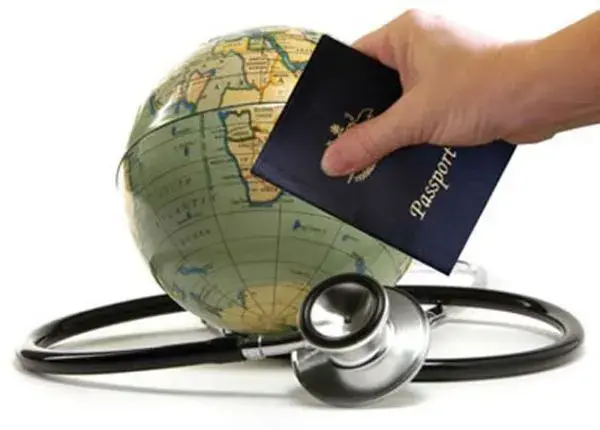
What Is Treatment Abroad?
Treatment abroad—also known as international medical travel or medical tourism—refers to patients traveling outside their home country to access medical services. These services may include:
- Surgical procedures
- Cosmetic and aesthetic treatments
- Cancer therapies
- Organ transplantation
- Orthopedic interventions
- Fertility treatments
- Dental care
- Cardiology and cardiac surgery
- Dialysis and kidney disease management
In simple terms, treatment abroad combines healthcare services with travel, allowing patients to receive medical care in internationally accredited hospitals and clinics.
How Does Treatment Abroad Work?
The entire journey usually includes:



- Initial medical consultation
Patients share their medical reports, diagnoses, and treatment goals with a facilitator or directly with a hospital. - Treatment recommendations
Doctors abroad evaluate the medical files and recommend a full treatment plan, cost estimate, expected results, and recovery timeline. - Travel arrangements
This includes booking flights, accommodations, and airport transfers. - Hospital admission & treatment
Patients receive care from experienced specialists using advanced medical technology. - Follow-up & recovery
Most hospitals offer follow-up consultations in person and online to ensure proper healing.
For personalized medical coordination, patients often rely on reputable facilitators, which help with everything from case evaluation to hospital selection and treatment logistics.
Visit MedWheel’s services page to explore available medical programs.
Why Do People Choose Treatment Abroad?
There are many reasons why patients decide to travel for healthcare. Below are the most common motivations:
1. More Affordable Healthcare
In many cases, treatment abroad can cost 40–70% less compared to Western countries. For example:
- Dental implants that cost $3,000 in the U.S. may cost $800 abroad.
- Knee replacement surgery costing $50,000 may cost $18,000 abroad.
- IVF procedures may be available at half the price of European clinics.
2. High-Quality Medical Services
Countries popular for treatment abroad invest heavily in their medical systems. They host:
- Internationally certified hospitals
- Experienced surgeons and specialists
- Modern diagnostic and surgical technology
Popular destinations often exceed global medical standards and deliver exceptional patient satisfaction.
3. Shorter Waiting Times
In countries with overloaded healthcare systems, patients may wait months—or even years—for critical surgery. Treatment abroad offers immediate scheduling and fast-track admissions.
4. Access to Specialized Treatments
Some countries offer unique medical expertise or advanced technologies not widely available at home. Examples include:
- Robotic surgery
- Regenerative medicine
- Oncology breakthroughs
- Organ transplantation programs
- Cosmetic excellence in Turkey and Thailand
- Advanced kidney treatment in Germany
5. More Privacy & Comfort

Many patients prefer undergoing surgeries like cosmetic procedures, IVF, or weight loss surgeries away from their local environment for privacy. Treatment abroad offers discreet care and private recovery facilities.
Top Destinations for Treatment Abroad
When choosing the right country, patients often look for medical expertise, affordability, and comfortable travel conditions. Below are the leading destinations:
1. Turkey
Known for its exceptional cosmetic surgery, hair transplants, and orthopedic care.
2. India
India offers affordable cardiac surgery, organ transplantation, oncology, and neurology treatment.
3. Thailand
Famous for its hospitality, wellness programs, plastic surgery, and dental tourism.
4. Germany
Ideal for complex cases such as oncology, cardiology, and kidney disease.
Many patients choose Germany for accurate diagnosis, advanced medical technology, and leading university hospitals.
5. UAE (Dubai & Abu Dhabi)
Provides luxury healthcare and international medical centers with world-class specialists.

6. Spain & Poland
Top choices for dental care, IVF, and cosmetic procedures.
How to Choose the Right Country for Treatment Abroad
Choosing where to receive treatment abroad can feel overwhelming. Here are essential steps to guide you:
1. Confirm Medical Accreditation
Look for hospitals accredited by:
- JCI (Joint Commission International)
- ISO Certification
- National healthcare regulatory authorities
2. Compare Treatment Costs
Make sure the price includes:
- Doctor consultation
- Medical tests
- Surgery or treatment
- Hospital stay
- Follow-up care
3. Check Doctor Credentials
Research the surgeon’s:
- Years of experience
- International training
- Patient reviews
- Specialty certifications
4. Evaluate Travel Requirements
Consider:
- Visa regulations
- Distance
- Flight cost
- Language barriers
5. Use a Trusted Medical Facilitator
Platforms like MedWheel help patients avoid scams and choose the right hospital based on real medical needs. They also provide 24/7 assistance, travel coordination, and post-treatment support.
What Types of Treatments Are Available Abroad?
Here are the most common medical specialties patients travel for:
1. Cosmetic & Plastic Surgery Abroad
- Rhinoplasty
- Breast augmentation
- Liposuction
- Tummy tuck
- Face lift
- Hair transplant
2. Orthopedic Surgery
- Hip replacement
- Knee replacement
- Spine surgery
- Sports injury treatment
3. Oncology
- Cancer diagnosis
- Chemotherapy & radiation programs
- Targeted therapy
- Immunotherapy
4. Kidney Treatment & Dialysis
Patients with chronic kidney disease often travel abroad for:
- Dialysis
- Kidney transplantation
- Nephrology consultations
5. Fertility Treatments
- IVF
- ICSI
- Egg freezing
- Surrogacy programs
6. Dental Care
- Implants
- Veneers
- Crowns
- Full mouth rehabilitation
7. Weight Loss & Bariatric Surgery
- Gastric sleeve
- Gastric bypass
- Gastric balloon
What to Expect Before Traveling for Treatment Abroad
1. Medical File Preparation
Patients must prepare:
- Recent medical reports
- Lab tests
- X-rays/MRI scans
- Current medications list
2. Virtual Consultations
Many international hospitals provide online consultations to:
- Review diagnoses
- Explain surgery options
- Provide cost estimates
3. Treatment Plan Confirmation
Before booking tickets, patients should receive:
- Full treatment program
- Cost breakdown
- Expected outcomes
- Recovery timeline
4. Travel & Accommodation
A reputable facilitator or hospital coordinates:
- Airport pickup
- Hotel stay
- Translation support
- Transportation to the clinic
Risks to Avoid When Getting Treatment Abroad
While treatment abroad has many benefits, patients must be aware of potential risks.
1. Unlicensed Clinics
Always verify hospital accreditation.
2. Hidden Costs
Cheap offers can hide additional expenses such as:
- Medications
- Extended hospital stay
- Complication care
3. Lack of Follow-Up
Choose a hospital that provides online follow-up for at least 6–12 months.
4. Communication Barriers
Ensure the hospital provides English-speaking staff or translators.
How MedWheel Helps Patients Find the Best Treatment Abroad
MedWheel is a trusted medical facilitator that connects patients with top hospitals around the world.
They provide:
- Free Medical Consultation
A team reviews your medical condition and recommends the most suitable countries and hospitals.
- Transparent Pricing
No hidden costs or surprise fees.
- Accredited Hospitals Only
Ensuring safe and reliable healthcare.
- Full Travel Assistance
Flights, accommodation, visa, and transportation.
- Support Before & After Treatment
Including online follow-up and recovery guidance.
Explore available programs here: MedWheel – Medical Travel Services
The Role of Technology in Enhancing Treatment Abroad
Modern technology has completely transformed the experience of treatment abroad, making international healthcare safer, faster, and more precise. Many leading hospitals now use advanced tools such as robotic surgery systems, AI-powered diagnostics, and 3D imaging to deliver highly accurate results with minimal complications. These innovations significantly reduce recovery time and improve surgical outcomes. Additionally, digital platforms allow patients to receive remote follow-up care after returning home, ensuring continuous medical support and a smooth recovery journey.
The Importance of Logistical Support for International Patients
When planning treatment abroad, it’s not just the medical aspect that matters—logistical support plays a major role in ensuring a stress-free experience. This includes airport transfers, accommodation arrangements, translation services, appointment scheduling, and communication assistance. Handling these details can be overwhelming for international patients, especially those traveling for the first time. That’s why professional medical facilitators like MedWheel provide complete logistical coordination, allowing patients to focus solely on their health and recovery without worrying about travel challenges.
Why Patients Continue Follow-Up with International Hospitals
Many patients who choose treatment abroad prefer to maintain follow-up consultations with the same international hospitals even after returning home. This is due to the high level of trust in the doctors, the accuracy of the treatment protocols, and the availability of telemedicine options. For conditions that require long-term monitoring—such as cancer care, organ transplantation, or orthopedic surgeries—international hospitals often provide structured follow-up plans that ensure consistent medical supervision. This continuity of care helps patients feel more secure and supported throughout their healing process.
How Much Does Treatment Abroad Cost?
Costs vary by procedure and country. Below is a quick comparison:
Treatment | USA/UK Cost | Abroad Cost |
Hair Transplant | $6,000–$12,000 | $1,500–$3,000 |
Rhinoplasty | $8,000–$15,000 | $2,500–$5,000 |
Heart Bypass | $70,000+ | $15,000–$25,000 |
Kidney Transplant | $300,000+ | $30,000–$70,000 |
Knee Replacement | $50,000 | $15,000–$20,000 |
IVF Cycle | $12,000–$20,000 | $3,000–$6,000 |
Conclusion
Treatment abroad continues to grow as a trusted, accessible, and cost-effective solution for patients seeking quality medical care. With world-class hospitals, expert specialists, and affordable treatment packages, traveling overseas for healthcare has never been easier. Whether you're looking for advanced surgery, cosmetic procedures, or chronic disease management, the right medical destination can transform your health journey.
To ensure a safe and smooth experience, always work with reliable medical facilitators like MedWheel, and choose accredited international hospitals. With proper planning, research, and assistance, treatment abroad can offer life-changing medical outcomes and a better quality of life.
FAQs About Treatment Abroad
1. Is treatment abroad safe?
Yes—if you select accredited hospitals and experienced doctors.
2. How long will I stay abroad?
Most procedures require 7–21 days, depending on complexity.
3. Will insurance cover treatment abroad?
Some international insurance companies provide partial coverage. Always confirm with your provider.
4. What if complications happen after returning home?
Choose hospitals offering long-term follow-up and online consultations.
5. Can I travel with a companion?
Yes. Most hospitals provide accommodation for family members.
here...