Neurosurgery abroad has become an increasingly popular option for patients looking for high-quality treatment, advanced technology, and more affordable costs. From complex brain tumor surgeries to minimally invasive spine procedures, many countries now offer world-class neurosurgical care supported by internationally trained specialists.
For patients facing long wait times, limited local expertise, or high treatment costs in their home country, traveling overseas for neurosurgery can be a life-changing decision. This comprehensive guide explains everything you need to know about neurosurgery abroad, including procedures, benefits, costs, risks, top destinations, and how to plan safely and confidently.
Why Patients Choose Neurosurgery Abroad
Neurosurgery is one of the most technically demanding medical specialties. Patients often seek neurosurgery abroad because it offers a combination of medical excellence, modern infrastructure, and significant financial advantages.
Key Reasons to Consider Neurosurgery Abroad

- Access to highly specialized neurosurgeons with international training
- Shorter waiting times for urgent or complex procedures
- Advanced surgical technologies, such as robotic systems and neuronavigation
- Lower overall cost compared to the US, UK, or Western Europe
- Comprehensive care packages for international patients
Many hospitals serving international patients follow strict global standards, including protocols aligned with international healthcare organizations such as the World Health Organization .
What Is Neurosurgery and When Is It Needed?
Neurosurgery focuses on disorders affecting the brain, spinal cord, peripheral nerves, and cerebrovascular system. It may be required for conditions that cannot be treated effectively with medication or non-invasive therapies.
Common Conditions Treated with Neurosurgery
- Brain tumors (benign and malignant)
- Spinal disc herniation and spinal stenosis
- Epilepsy and movement disorders
- Traumatic brain and spinal injuries
- Aneurysms and arteriovenous malformations (AVMs)
- Congenital neurological disorders
Choosing neurosurgery abroad often means gaining access to specialists who focus on very specific conditions, improving the chances of successful outcomes
Types of Neurosurgery Abroad

Neurosurgery abroad covers a wide range of procedures. Hospitals often specialize in certain subspecialties, allowing patients to receive focused and expert care.
Brain Surgery Abroad
Brain surgeries treat tumors, hemorrhages, aneurysms, and epilepsy. Advanced imaging and intraoperative monitoring help protect vital brain functions during surgery.
Spine Surgery Abroad
Spine procedures include minimally invasive discectomy, spinal fusion, scoliosis correction, and endoscopic spine surgery. These techniques reduce pain and recovery time.
Pediatric Neurosurgery Abroad
Children with congenital brain or spinal conditions benefit from pediatric-focused neurosurgical teams and child-friendly hospitals.
Functional Neurosurgery Abroad
This includes deep brain stimulation (DBS) for Parkinson’s disease, epilepsy surgery, and procedures for chronic pain management.
Benefits of Choosing Neurosurgery Abroad
The advantages of neurosurgery abroad go beyond cost savings. Many patients report higher satisfaction due to personalized care and comprehensive support services.
Clinical and Practical Benefits
- Surgeons with global fellowships and international experience
- State-of-the-art operating rooms and imaging technology
- Multidisciplinary teams including neurologists and rehabilitation experts
- Faster diagnosis and surgical scheduling
- All-inclusive packages covering treatment, accommodation, and transfers
For many international patients, working with a trusted medical facilitator such as Medwheel simplifies the entire journey by coordinating hospitals, doctors, and logistics.
Cost of Neurosurgery Abroad
One of the most significant motivations for neurosurgery abroad is the difference in treatment costs. Patients can often save between 40% and 70% compared to prices in high-income countries.
Factors Affecting the Cost
- Type and complexity of the neurosurgical procedure
- Hospital accreditation and surgeon’s expertise
- Length of hospital stay and ICU care
- Preoperative tests and postoperative rehabilitation
Average Cost Comparison (Approximate)
- Brain tumor surgery: 30%–60% lower abroad
- Spine surgery: 40%–70% lower abroad
- Deep brain stimulation: 35%–50% lower abroad
Despite the lower cost, many hospitals maintain international quality standards and transparent pricing.
Top Destinations for Neurosurgery Abroad
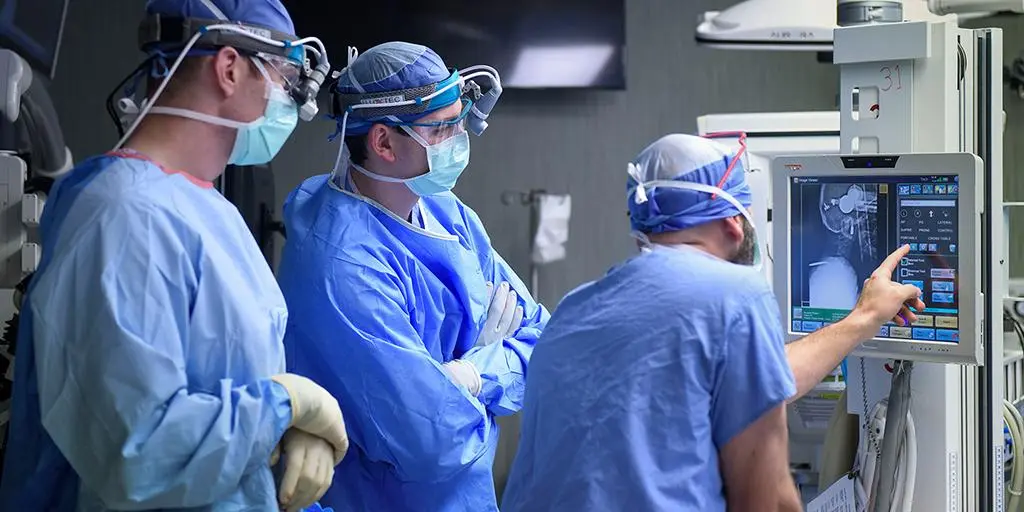
Several countries have emerged as leaders in neurosurgery abroad, combining medical excellence with patient-friendly services.
Neurosurgery Abroad in Turkey
Turkey is known for modern hospitals, internationally accredited clinics, and competitive pricing. Many neurosurgeons are trained in Europe or North America.
Neurosurgery Abroad in India
India offers some of the most affordable neurosurgery abroad options, with extensive experience in complex and high-volume procedures.
Neurosurgery Abroad in Germany
Germany is recognized for advanced technology, research-driven treatment, and complex neurosurgical expertise, especially for rare conditions.
Neurosurgery Abroad in South Korea
South Korea excels in minimally invasive brain and spine surgeries, with cutting-edge robotics and imaging systems.
How to Choose the Right Hospital and Surgeon
Selecting the right provider is critical for safe and successful neurosurgery abroad.
Important Selection Criteria
- International hospital accreditation
- Board-certified neurosurgeons
- Experience with your specific condition
- Transparent treatment plans and costs
- Availability of post-surgical rehabilitation
Medical travel platforms like Medwheel help patients compare options and communicate directly with hospitals before making a final decision.
Role of Medical Travel Agencies in Neurosurgery Abroad
Planning neurosurgery abroad involves more than booking a flight. Professional medical travel agencies coordinate every aspect of care.
What They Typically Handle
- Medical record evaluation and surgeon selection
- Treatment cost estimates and scheduling
- Medical visas and travel arrangements
- Hospital admission and language assistance
- Post-treatment follow-up planning
Using a dedicated service ensures that patients can focus on recovery instead of logistics.
Risks and Safety Considerations of Neurosurgery Abroad
While neurosurgery abroad can be safe and effective, patients should understand potential risks and how to minimize them.
Potential Challenges
- Differences in medical regulations
- Communication barriers
- Post-surgery follow-up once home
How to Reduce Risks
- Choose internationally accredited hospitals
- Confirm surgeon experience and case volume
- Arrange follow-up care in your home country
- Work with a trusted medical travel coordinator
Proper planning significantly improves safety and outcomes.
Recovery and Rehabilitation After Neurosurgery Abroad
Recovery time varies depending on the procedure and patient condition. Many hospitals abroad provide comprehensive rehabilitation programs.
Typical Recovery Support Includes
- Neurological monitoring and pain management
- Physical and occupational therapy
- Speech and cognitive rehabilitation (if needed)
- Remote consultations after returning home
This continuity of care is essential for long-term success.
How Long Should You Stay After Neurosurgery Abroad?
Length of stay depends on the complexity of surgery and recovery progress.
General Timeframes
- Diagnostic and preoperative evaluation: 3–5 days
- Hospital stay after surgery: 5–14 days
- Additional rehabilitation: 1–3 weeks
Your medical team will determine when it is safe to travel home.
Legal and Ethical Standards in Neurosurgery Abroad
Many countries offering neurosurgery abroad follow international ethical guidelines and patient safety standards. Hospitals often align with global healthcare frameworks that emphasize informed consent, patient rights, and clinical transparency.
Patients should always request detailed documentation and understand their treatment plan before proceeding.
Preparing for Neurosurgery Abroad
Preparation is key to a smooth medical journey.
Essential Steps Before Travel
- Gather all medical reports and imaging
- Obtain a second medical opinion
- Confirm treatment plan and total cost
- Arrange travel insurance and medical visas
- Discuss postoperative care requirements
Having a clear plan reduces stress and uncertainty.
Is Neurosurgery Abroad Right for You?
Neurosurgery abroad is not just about affordability—it is about access to advanced care and specialized expertise. Patients with complex neurological conditions, long waiting times, or cost concerns often benefit the most.
Consulting experienced professionals and platforms ensures that decisions are based on medical need, safety, and long-term outcomes.
Neurosurgery Abroad vs. Local Treatment: A Detailed Comparison
When deciding between neurosurgery abroad and local treatment, patients often struggle to balance safety, cost, and quality. Comparing both options side by side helps clarify why traveling overseas is sometimes the better medical decision.
Key Differences Between Neurosurgery Abroad and Domestic Care
Access to Specialists
In many countries, neurosurgical subspecialists are limited. Neurosurgery abroad offers direct access to experts who focus exclusively on brain tumors, spine disorders, epilepsy, or vascular neurosurgery.
Waiting Time
Local healthcare systems may involve waiting periods of several months. Neurosurgery abroad often reduces this to days or weeks, which is critical for progressive neurological conditions.
Technology and Innovation
Top international centers invest heavily in advanced tools such as robotic-assisted surgery, intraoperative MRI, and AI-based diagnostic imaging—technology not universally available at home.
Overall Cost
Even when accounting for travel and accommodation, neurosurgery abroad can cost significantly less while offering equal or superior outcomes.
Pre-Surgical Evaluation Process in Neurosurgery Abroad
One major advantage of neurosurgery abroad is the comprehensive preoperative evaluation process designed specifically for international patients.
What Happens Before Surgery?
- Detailed review of MRI, CT scans, and neurological reports
- Online consultation with the neurosurgeon
- Multidisciplinary case discussion (neurology, oncology, radiology)
- Risk assessment and treatment planning
- Final confirmation of surgical approach
This structured evaluation ensures that surgery is genuinely necessary and optimally planned, reducing unnecessary risks.
The Role of Technology in Neurosurgery Abroad
Technology plays a critical role in the success of neurosurgery abroad. Many international hospitals invest heavily in innovation to improve precision and patient safety.
Advanced Technologies Commonly Used
- Neuronavigation systems for millimeter-level accuracy
- Robotic-assisted neurosurgery to enhance control and stability
- Intraoperative MRI and CT for real-time imaging
- Neuro-monitoring systems to protect brain and spinal functions
These technologies significantly reduce surgical errors and improve long-term outcomes, making neurosurgery abroad an attractive option for complex cases.
Psychological and Emotional Support in Neurosurgery Abroad
Neurological surgery can be emotionally overwhelming. Leading centers offering neurosurgery abroad understand this and provide mental health support as part of comprehensive care.
Support Services Often Include
- Pre-surgical counseling
- Patient education sessions
- Family support and guidance
- Stress and anxiety management
- Post-operative psychological follow-up
Addressing mental well-being improves recovery speed and overall satisfaction, particularly for international patients far from home.
Long-Term Outcomes and Success Rates of Neurosurgery Abroad
Patients often ask whether neurosurgery abroad delivers long-term results comparable to top domestic hospitals. Evidence and patient outcomes suggest it does.
Factors Influencing Long-Term Success
- Surgeon experience and specialization
- Use of modern surgical techniques
- Quality of post-operative rehabilitation
- Patient compliance with recovery plans
Studies from international neurosurgical associations indicate that outcomes for procedures like brain tumor resection, spine surgery, and DBS abroad are comparable—or sometimes superior—to those in high-cost healthcare system
Conclusion
Neurosurgery abroad offers hope and healing for patients facing serious neurological conditions. By combining advanced medical technology, skilled specialists, and cost-effective care, international treatment options continue to transform lives.
With proper research, trusted coordination through platforms like Medwheel, and a clear understanding of your medical needs, neurosurgery abroad can be a safe, effective, and empowering healthcare choice.
Frequently Asked Questions About Neurosurgery Abroad
Is neurosurgery abroad safe?
Yes, when performed in accredited hospitals by experienced neurosurgeons, neurosurgery abroad can be as safe as treatment in top domestic centers.
How much can I save with neurosurgery abroad?
Savings typically range from 40% to 70%, depending on the country and procedure.
Will language be a problem?
Most hospitals serving international patients provide English-speaking staff and interpreters.
Can I get follow-up care after returning home?
Yes, many hospitals offer virtual consultations, and your medical travel agency can coordinate local follow-up care.